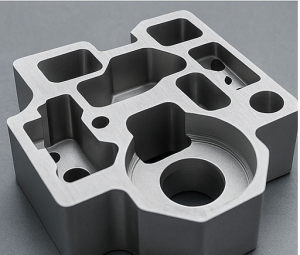
Industrial Waterjet Cutting with Water and Abrasive
Precise, Cold Cutting of Metals, Stone, Glass, and Composites
What Is Waterjet Cutting?
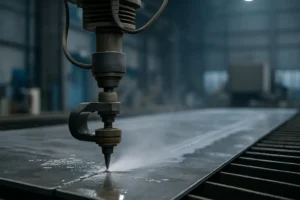
Waterjet cutting is one of the most advanced industrial cutting technologies. It uses extremely high-pressure water (up to 60,000 PSI) combined with abrasive particles like garnet to cut a wide range of materials with high precision.
This method is completely cold and does not generate heat, so the material’s structure and color remain unchanged.This method is completely cold and does not generate heat, so the material’s structure and color remain unchanged.
As a result, waterjet cutting is ideal for materials that are sensitive to heat or require clean, precise edges without thermal distortion.
For more information, see the Wikipedia article on water jet cutting.
Main Applications of Waterjet Cutting
Waterjet cutting is ideal for:
- Precision cutting of hard metals like stainless steel, aluminum, and titanium
- Cutting heat-sensitive materials such as rubber, glass, wood, and plastic
- Producing intricate and delicate parts with very tight tolerances
- Reducing waste and increasing efficiency in industrial manufacturing
How Does Waterjet Cutting Work?
- Pressurization: The waterjet pump generates ultra-high pressure (4,000–6,000 bar).
- Abrasive Injection: Abrasive particles (like garnet) are injected into the water stream.
- Precision Nozzle: The water-abrasive mix exits a fine nozzle at supersonic speed, cutting the material.
- Cold Cutting: No heat, metallurgical change, or surface burning occurs.
Types of Waterjet Cutting
| Waterjet Type | Description |
|---|---|
| Pure Water Cutting | Suitable for soft materials like paper, leather, plastic |
| Abrasive Waterjet Cutting | Ideal for metals, ceramics, stone, glass, composites |
Advantages Over Traditional Cutting Methods
| Feature | Waterjet Cutting | Laser / Plasma Cutting |
|---|---|---|
| Heat Generation | None ✅ | Yes ❌ |
| Cutting Accuracy | Very High ✅ | Medium to High |
| Material Versatility | Nearly All Materials ✅ | Limited |
| Impact on Material | No Change ✅ | May Alter ❌ |
| Post-processing (Polish) | Minimal or None ✅ | Usually Needed ❌ |
Why Garnet Is the Best Abrasive for Waterjet Cutting
| Feature | Garnet | Explanation |
|---|---|---|
| Hardness | 7.5–8 Mohs | Fast and accurate cutting |
| Particle Shape | Angular | Enables deep penetration and cutting |
| Density | 4.1 g/cm³ | Greater impact force |
| Dust Generation | Very Low ✅ | Safer for industrial environments |
| Usage per Cut | Optimized | Reduces overall project cost |
| Reusability | Up to 5 times | Economical and eco-friendly |
Choosing the Right Garnet Mesh Size
| Mesh Size | Application |
|---|---|
| 80 | General cutting of metals, stone, glass |
| 120 | Finer cuts with cleaner edges |
| 150 | Detailed and intricate parts |
📌 Higher mesh = finer particles = smoother surface finish
✅ For detailed specifications and available inventory of garnet mesh suitable for abrasive cutting, please visit the Industrial Garnet Sand page.
Industrial Applications of Waterjet Cutting
- Metalworking and Machinery: Precision cutting of steel, stainless steel, copper, and aluminum sheets
- Stone and Ceramic: Shaping for architecture and decorative purposes
- Aerospace and Defense: Stress-free cutting of specialized parts
- Glass Industry: Cutting layered glass, mirrors, and tempered glass
- Automotive: Manufacturing of internal and external precision parts
Steps of the Waterjet Cutting Process
- Receive design files (CAD or DXF)
- Analyze the material type, thickness, and geometry
- Choose the right abrasive type, pressure, and mesh size
- Machine setup and test cut
- Full-scale cutting with high precision and minimal waste
- Final inspection of surface quality and dimensions
Project Examples
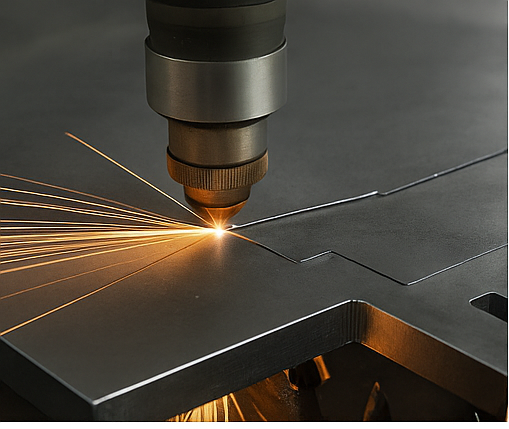
Cutting 10mm stainless steel plates with 0.1mm accuracy
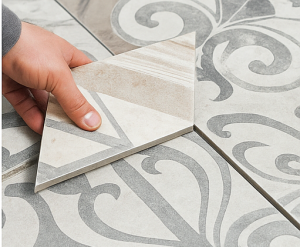
Precision tile and ceramic cutting for decorative use
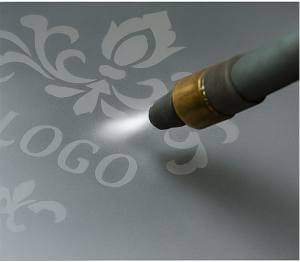
Logo and decorative designs on glass and metal